
Taurine for Cats: Why This Amino Acid Is a Matter of Life and Health
What Is Taurine?
Taurine is an essential amino acid that plays a critical role in a cat's overall health. Unlike most mammals, cats cannot synthesise taurine in sufficient quantities on their own — they must get it entirely from their diet. This makes taurine one of the most important nutrients to get right when feeding your cat.
Why Do Cats Need Taurine?
1. Heart Health
Taurine deficiency is one of the leading causes of dilated cardiomyopathy (DCM) in cats — a serious condition where the heart muscle weakens and enlarges, reducing its ability to pump blood effectively. Adequate taurine intake is essential for maintaining a strong, healthy heart throughout your cat's life.
2. Eye Health and Vision
Taurine is highly concentrated in the retina of the eye. Cats deficient in taurine can develop feline central retinal degeneration (FCRD), which leads to progressive vision loss and can result in permanent blindness. Ensuring your cat gets enough taurine is one of the most important things you can do to protect their eyesight.
3. Reproductive Health
Taurine is essential for healthy reproduction in cats. Deficiency in breeding females can lead to smaller litter sizes, higher rates of kitten mortality, and developmental problems in kittens. Kittens born to taurine-deficient mothers may also suffer neurological issues.
4. Immune Function
Taurine plays a role in regulating the immune system and has antioxidant properties that help protect cells from oxidative damage. A well-nourished cat with adequate taurine is better equipped to fight off illness and recover from stress.
5. Brain and Nervous System Development
In kittens, taurine is critical for normal brain and nervous system development. Deficiency during early life can result in developmental delays and neurological abnormalities that may be irreversible.
Where Does Taurine Come From?
Taurine is found exclusively in animal-based foods. The richest natural sources include:
- Seafood — shellfish like shrimp and clams are among the highest natural sources of taurine; fish like salmon and cod also contain meaningful amounts
- Poultry — chicken and turkey contain moderate levels
- Red meat — beef and lamb provide taurine, though generally less than seafood
Plant-based foods contain virtually no taurine — which is why cats should never be fed a vegetarian or vegan diet.
Why Freeze-Dried Seafood Is an Excellent Taurine Source
Cooking can degrade taurine — boiling fish, for example, can cause significant taurine loss into the cooking water. Freeze-drying, by contrast, preserves taurine at its natural levels because no heat is involved. This makes freeze-dried seafood treats one of the most efficient ways to deliver taurine to your cat in a form they'll actually enjoy eating.
Signs of Taurine Deficiency in Cats
- Vision problems or bumping into objects
- Dilated pupils in normal lighting
- Lethargy or exercise intolerance
- Difficulty breathing (possible heart involvement)
- Reproductive issues in breeding cats
If you notice any of these signs, see your vet promptly. Taurine deficiency is treatable when caught early.
Feed Your Cat What They're Built For
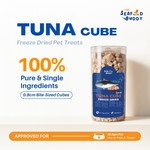
Give your cat the taurine they need from a source they love. Explore our best-selling freeze-dried seafood treats — naturally rich in taurine, single-ingredient, and irresistible to cats.