
Freeze-Dried vs Air-Dried Pet Treats: What's the Difference?
Two Popular Methods, Very Different Results
As pet owners become more conscious about what goes into their pet's food, freeze-dried and air-dried treats have both surged in popularity as alternatives to heavily processed kibble-style snacks. But what's actually the difference between the two — and does it matter for your pet's health?
How Freeze-Drying Works
Freeze-drying (also called lyophilisation) is a two-stage process. The raw ingredient is first frozen solid, then placed in a vacuum chamber where the ice is converted directly into vapour — bypassing the liquid stage entirely. This removes up to 98% of moisture without using any heat.
The result: a lightweight, shelf-stable treat that retains the nutritional profile, colour, texture, and aroma of the original raw ingredient almost perfectly.
How Air-Drying Works
Air-drying uses gentle, controlled warm air (typically between 50–70°C) to slowly remove moisture from the ingredient over an extended period — often 12 to 24 hours or more. It's a gentler process than conventional cooking or baking, but it does involve heat.
Key Differences at a Glance
Nutrient Retention
Freeze-dried wins here. Because no heat is involved, heat-sensitive nutrients like omega-3 fatty acids, taurine, and certain vitamins are preserved at their natural levels. Air-drying, while gentler than cooking, still causes some nutrient degradation due to the low heat applied over a long period.
Texture
Freeze-dried treats have a light, crispy, almost airy texture that crumbles easily — ideal for breaking into small training pieces or sprinkling over food as a topper. Air-dried treats tend to be denser, chewier, and more meat-jerky-like in texture, which some pets prefer as a standalone chew.
Aroma
Freeze-dried treats retain the intense natural aroma of the original ingredient, making them particularly appealing to picky eaters and cats (who rely heavily on smell to evaluate food). Air-dried treats also have a strong smell, but the low heat can slightly alter the volatile aroma compounds.
Shelf Life
Both methods produce shelf-stable treats that don't require refrigeration. Freeze-dried treats typically have a longer shelf life due to the more complete moisture removal (up to 98% vs around 70–80% for air-dried).
Cost
Freeze-drying is a more energy-intensive and equipment-heavy process, which generally makes freeze-dried treats slightly more expensive than air-dried alternatives. However, the superior nutrient retention often justifies the premium.
Which Is Better for Your Pet?
Both are significantly better than heavily processed, heat-extruded commercial treats. The choice often comes down to your pet's preferences and your priorities:
- Choose freeze-dried if maximum nutrient retention, intense aroma (great for picky eaters), and easy crumbling are priorities.
- Choose air-dried if your pet enjoys a chewier texture and you're looking for a slightly more affordable option.
For seafood-based treats specifically, freeze-drying is the gold standard — preserving the omega-3s, taurine, and delicate flavour compounds that make seafood so nutritionally valuable for cats and dogs.
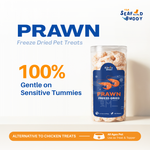
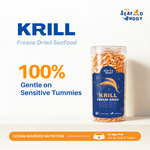
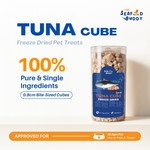
Explore Our Freeze-Dried Seafood Treats
See why freeze-dried makes the difference. Browse our best-selling freeze-dried seafood treats — pure ingredients, maximum nutrition, and flavour your pet won't be able to resist.