
Omega-3 for Pets: Why Your Cat or Dog Needs It and How to Get It Right
What Are Omega-3 Fatty Acids?
Omega-3 fatty acids are a group of essential fats that the body cannot produce on its own — meaning they must come from food. The three most important types are ALA (alpha-linolenic acid), EPA (eicosapentaenoic acid), and DHA (docosahexaenoic acid). For pets, EPA and DHA are the most biologically active and beneficial forms, and both are found abundantly in seafood.
Why Do Cats and Dogs Need Omega-3?
1. Skin and Coat Health
One of the most visible benefits of omega-3 is a shinier, healthier coat and less flaky, irritated skin. Pets deficient in omega-3 often have dull fur, excessive shedding, or dry, itchy skin. Regular omega-3 intake helps restore the skin's natural moisture barrier and reduces inflammation that causes itching.
2. Joint Support and Mobility
EPA has strong anti-inflammatory properties that help reduce joint swelling and stiffness. For senior pets or breeds prone to arthritis and hip dysplasia, omega-3 supplementation can meaningfully improve comfort and mobility over time.
3. Heart Health
DHA and EPA support cardiovascular function in both cats and dogs. Studies suggest omega-3s can help regulate heart rhythm, reduce triglyceride levels, and support overall cardiac health — particularly important for breeds with known heart conditions.
4. Brain Development and Cognitive Function
DHA is a critical structural component of brain tissue. Puppies and kittens benefit from DHA for healthy neurological development, while senior pets may experience slower cognitive decline with consistent omega-3 intake. Some studies link omega-3 supplementation to improved learning and memory in dogs.
5. Immune System Support
Omega-3s help modulate the immune response, reducing chronic low-grade inflammation that can contribute to a range of health issues. A well-functioning immune system means your pet is better equipped to fight off illness and recover faster.
The Best Natural Sources of Omega-3 for Pets
The richest and most bioavailable sources of EPA and DHA for pets are:
- Salmon — one of the highest omega-3 concentrations of any fish
- Sardines — small, sustainable, and omega-3 rich
- Mackerel — another oily fish packed with EPA and DHA
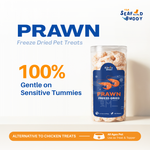
- Shrimp — lower in fat but still a good source of omega-3 alongside other key nutrients
- Cod — leaner option with moderate omega-3 content
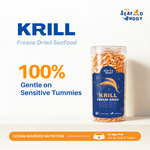
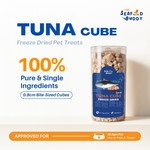
Freeze-dried seafood treats are one of the easiest ways to add these omega-3 sources to your pet's diet without cooking, supplements, or complicated meal prep.
How Much Omega-3 Does My Pet Need?
The right amount depends on your pet's size, age, and health status. As a general guide, most healthy adult dogs and cats benefit from omega-3-rich treats a few times per week. If your pet has a specific condition like arthritis or skin disease, your vet may recommend a higher therapeutic dose via fish oil supplements alongside dietary sources.
Why Freeze-Dried Seafood Is a Smart Omega-3 Source
Unlike cooking, which can degrade heat-sensitive omega-3 fatty acids, freeze-drying preserves them at their natural levels. This means every piece of freeze-dried salmon or shrimp delivers the full omega-3 benefit — no degradation, no additives, just the real thing.
Explore our best-selling freeze-dried seafood treats and give your pet a natural, delicious omega-3 boost with every treat.