
Why Your Pet's Coat Is the Window to Their Health
What Your Pet's Coat Tells You
A pet's coat is one of the most visible indicators of their overall health. A glossy, full, soft coat usually signals good nutrition, low stress, and a well-functioning body. A dull, thinning, brittle, or excessively shedding coat, on the other hand, is often one of the first signs that something is off — whether nutritional, medical, or environmental.
Before reaching for a grooming product, it's worth asking: is my pet's coat trying to tell me something?
Common Coat Problems and What They May Indicate
Dull, Lacklustre Fur
A coat that's lost its shine is often a sign of omega-3 fatty acid deficiency. Omega-3s (particularly EPA and DHA) are essential for maintaining the skin's natural oil production, which gives fur its healthy sheen. Pets on low-quality, highly processed diets are particularly prone to this.
Excessive Shedding
Some shedding is normal and seasonal, but excessive year-round shedding can indicate nutritional deficiencies (especially protein, omega-3s, and zinc), stress, hormonal imbalances, or underlying health conditions like thyroid disease. If shedding seems abnormal, a vet check is worthwhile.
Dry, Flaky Skin (Dandruff)
Flaky skin in pets is often linked to low dietary fat intake, dehydration, or environmental dryness. It can also be a sign of allergies or fungal skin conditions. Increasing omega-3 intake and ensuring adequate hydration are good first steps.
Thinning Coat or Bald Patches
Localised hair loss or thinning can indicate allergies, parasites (like mange mites), hormonal issues (such as hypothyroidism or Cushing's disease), or fungal infections like ringworm. These warrant a vet visit rather than a dietary fix alone.
Greasy or Oily Coat
An unusually greasy coat can signal seborrhoea — a skin condition that causes overproduction of skin oils. It can also be linked to dietary imbalances or certain health conditions. Regular grooming and a balanced diet help, but persistent greasiness should be checked by a vet.
How Nutrition Supports a Healthy Coat
The most impactful dietary factors for coat health are:
- Omega-3 fatty acids (EPA and DHA) — Reduce skin inflammation, support oil production, and promote a glossy coat. Found abundantly in seafood.
- High-quality protein — Fur is made of keratin, a protein. Inadequate dietary protein directly impacts coat quality and growth.
- Zinc — Essential for skin cell renewal and coat health. Deficiency leads to dull fur and skin lesions.
- Biotin (Vitamin B7) — Supports healthy skin and coat; found in fish, eggs, and organ meats.
- Vitamin E — An antioxidant that protects skin cells from oxidative damage.
How Freeze-Dried Seafood Treats Support Coat Health
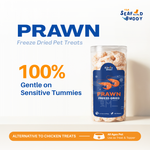
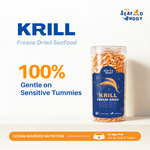
Freeze-dried seafood treats are one of the most direct ways to deliver coat-supporting nutrients to your pet:
- Rich in EPA and DHA omega-3s — preserved at full potency through freeze-drying
- High in quality animal protein — the building blocks of healthy fur
- Natural source of zinc, biotin, and vitamin E
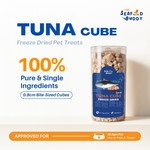
- Single ingredient — no fillers that dilute the nutritional impact
Many pet owners notice a visible improvement in their pet's coat within 4–8 weeks of adding omega-3-rich treats to their diet regularly.
Give Your Pet's Coat the Nutrition It Deserves
Start from the inside out. Browse our best-selling freeze-dried seafood treats and give your pet the omega-3s and protein their coat needs to look and feel its best.