
The Truth About Grain-Free Pet Diets: What Every Owner Should Know
The Grain-Free Trend
Grain-free pet food has surged in popularity over the past decade, marketed as a more natural, ancestral diet for cats and dogs. But what does the science actually say? Is grain-free always better — or is it more complicated than that?
Why Grain-Free Became Popular
The grain-free movement was largely driven by the belief that grains are unnatural for carnivorous pets, that they cause allergies, and that a diet closer to what wild ancestors ate would be healthier. There's some logic here — cats are obligate carnivores with no nutritional requirement for carbohydrates, and dogs are highly adapted to protein-rich diets. However, the reality of grain-free diets is more nuanced.
The Truth About Grain Allergies in Pets
True grain allergies in pets are actually relatively rare. Studies suggest that the most common food allergens for dogs are beef, dairy, and chicken — not grains. For cats, beef, fish (in processed forms), and dairy are more common triggers than grains. Many pets labelled as "grain sensitive" are actually reacting to a specific protein source or a low-quality ingredient, not the grain itself.
The DCM Concern
In 2018, the US Food and Drug Administration (FDA) began investigating a potential link between grain-free diets and dilated cardiomyopathy (DCM) — a serious heart condition — in dogs. The concern centred on diets high in legumes (peas, lentils, chickpeas) used as grain substitutes. While the investigation is ongoing and causation has not been definitively established, it raised important questions about what replaces grains in grain-free formulas.
What Actually Matters More Than Grain-Free
Rather than focusing on whether a diet is grain-free, a more useful framework is:
- Quality of the protein source — Is it a named, whole animal protein? Is it the first ingredient?
- Minimal processing — How much has the food been altered from its natural state?
- Ingredient transparency — Can you identify every ingredient as a real food?
- Absence of unnecessary fillers — Whether grain or legume, fillers that dilute protein content are worth avoiding.
Where Freeze-Dried Treats Fit In
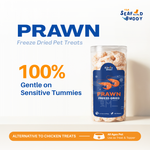
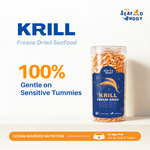
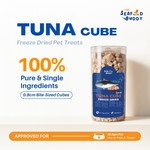
Freeze-dried single-ingredient seafood treats sidestep the grain-free debate entirely — because there are no grains, no legumes, no fillers of any kind. Just real seafood, preserved at its nutritional peak. Whether your pet is on a grain-free diet or not, freeze-dried seafood treats are a clean, compatible addition to any feeding approach.
They're also an excellent way to add high-quality animal protein and omega-3s to a diet that may be heavy on plant-based ingredients — grain-free or otherwise.
The Bottom Line
Grain-free isn't automatically better — but high-quality, minimally processed, protein-first nutrition always is. Focus on what's in the food, not just what's been left out.
Browse our best-selling freeze-dried seafood treats — no grains, no legumes, no fillers. Just real seafood your pet was built to eat.