
The Benefits of Rotating Proteins in Your Pet's Diet
What Is Protein Rotation?
Protein rotation means regularly varying the animal protein sources in your pet's diet — alternating between chicken, beef, fish, shrimp, lamb, and other proteins rather than feeding the same protein every single day. It's a practice increasingly recommended by holistic vets and nutritionists, and for good reason.
Why Feeding the Same Protein Every Day Can Be Problematic
When pets eat the same protein source repeatedly over months or years, a few things can happen:
- Food sensitivities can develop — Repeated exposure to the same protein is one of the most common triggers for food allergies and intolerances in pets. The immune system can begin to react to a protein it sees constantly, even one it previously tolerated well.
- Nutritional gaps accumulate — No single protein source provides a perfect nutritional profile. Different proteins offer different amino acid ratios, vitamins, minerals, and fatty acid compositions. Relying on one source means missing what others provide.
- Flavour fatigue — Pets can become bored with the same food over time, leading to reduced appetite and pickiness.
The Benefits of Rotating Proteins
1. Reduced Risk of Food Allergies
By exposing your pet to a variety of proteins in moderate amounts, you reduce the likelihood of their immune system developing a hypersensitivity to any single one. This is particularly valuable for pets with a family history of allergies or those showing early signs of food sensitivity.
2. Broader Nutritional Coverage
Different proteins bring different nutritional strengths:
- Salmon and seafood — Rich in omega-3 fatty acids (EPA and DHA), taurine, and B vitamins
- Chicken — High in lean protein and glucosamine (in cartilage)
- Beef — Rich in zinc, iron, and B12
- Shrimp — High in astaxanthin, iodine, and phosphorus
- Lamb — Good source of iron and a useful novel protein for sensitive pets
Rotating between these ensures your pet benefits from the unique nutritional profile of each.
3. Gut Microbiome Diversity
Emerging research in both human and animal nutrition suggests that dietary variety supports a more diverse gut microbiome — which is associated with better immune function, digestion, and overall health. A pet fed the same food every day may have a less diverse gut microbiome than one with a varied diet.
4. Keeps Mealtimes Interesting
Variety prevents flavour fatigue and keeps your pet engaged with their food. This is especially useful for picky eaters who have lost interest in their regular meals.
How to Rotate Proteins Safely
- Transition gradually — Introduce new proteins slowly, especially if your pet has a sensitive stomach. Mix the new protein with the existing one over 5–7 days.
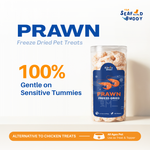
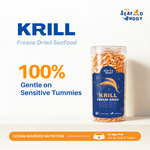
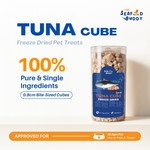
- Rotate treats too — Treats are an easy, low-commitment way to introduce protein variety. Alternating between freeze-dried salmon, shrimp, and cod treats is a simple starting point.
- Keep a food diary — If your pet has known sensitivities, track what they eat and any reactions to identify patterns.
- Consult your vet — If your pet has existing health conditions, get guidance before making significant dietary changes.
Start Rotating with Seafood
Freeze-dried seafood treats are one of the easiest ways to introduce protein variety — single ingredient, no additives, and available in multiple seafood proteins. Alternate between salmon, shrimp, and cod to give your pet the benefits of rotation without any complexity.
Browse our best-selling freeze-dried seafood treats and start building a more varied, nutritious treat rotation for your pet today.