
Pet Food Labels Decoded: Understanding What 'Natural', 'Organic', and 'Premium' Really Mean
The Marketing Language Problem
Walk down any pet food aisle and you'll be bombarded with words like "natural", "premium", "holistic", "artisan", and "gourmet". These terms sound reassuring — but how many of them are actually regulated? And how many are just marketing? Understanding what these words do and don't mean is essential for making genuinely informed choices for your pet.
"Natural" — What It Actually Means
In many markets, "natural" has a loose regulatory definition when applied to pet food. It generally means the ingredients were derived from plant, animal, or mined sources without synthetic processing — but it does NOT mean:
- Organic or free from pesticides
- Minimally processed
- Free from artificial preservatives (some "natural" products still use synthetic preservatives)
- High quality
A product can legally be labelled "natural" while still containing low-quality rendered meat meals, cheap grain fillers, and chemically extracted ingredients. Always read the ingredient list rather than relying on front-of-pack claims.
"Organic" — More Meaningful, But Check the Certification
"Organic" is more tightly regulated in markets like the US and EU, where certified organic pet food must meet specific standards for how ingredients are grown and processed — no synthetic pesticides, no GMOs, no artificial additives. However, in many Asian markets including Malaysia, organic certification for pet food is less standardised. If a product claims to be organic, look for a recognised certification body on the label rather than taking the claim at face value.
"Premium" and "Gourmet" — Essentially Meaningless
"Premium", "gourmet", "artisan", and "holistic" are entirely unregulated marketing terms in virtually every market. There is no legal standard a product must meet to use these words. They are chosen by marketing teams, not verified by regulators. A product labelled "premium" may be no different in quality from a standard product — or it may genuinely be better. The label alone tells you nothing.
"Grain-Free" — Descriptive, Not a Quality Claim
"Grain-free" simply means the product doesn't contain grains. It says nothing about the quality of what replaces them. Many grain-free products substitute grains with legumes (peas, lentils, chickpeas) — which are also cheap fillers and have raised their own health concerns (see our article on grain-free diets). Grain-free is a formulation choice, not a quality guarantee.
"Human Grade" — Worth Looking For
"Human grade" is one of the more meaningful claims, indicating that ingredients meet the standards required for human food production. This generally implies higher quality sourcing and processing standards. However, it's still worth verifying — look for brands that can substantiate this claim with transparent sourcing information.
What to Focus on Instead
Rather than being swayed by front-of-pack marketing language, focus on:
- The ingredient list — Named animal proteins first, short and recognisable list.
- The guaranteed analysis — High protein, appropriate fat, low unnecessary carbohydrates.
- The manufacturer's transparency — Can they tell you where their ingredients come from?
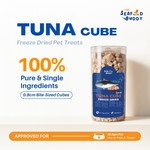
- Single-ingredient options — Where there's only one ingredient, there's nothing to hide.
The Simplest Standard
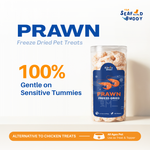
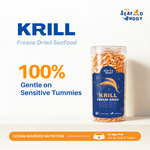
Our freeze-dried seafood treats need no marketing language. One ingredient. You can see it, name it, and know exactly what your pet is eating. No "natural", no "premium", no fine print required.
Browse our best-selling freeze-dried seafood treats — transparent by design.