
Do Cats Really Need Wet Food? What Science Says About Hydration and Feline Health
The Cat Hydration Problem
Cats evolved as desert animals, which means they have a naturally low thirst drive. In the wild, they obtained most of their moisture from prey — raw meat is roughly 70% water. Domestic cats fed primarily on dry kibble (which contains only 8–10% moisture) often live in a state of mild chronic dehydration without their owners realising it.
This matters because inadequate hydration is one of the leading contributors to urinary tract disease, kidney disease, and bladder crystals in cats — some of the most common and costly health issues in domestic felines.
What Does Science Say?
Research consistently shows that cats fed wet or moisture-rich diets produce more dilute urine, which reduces the concentration of minerals that form crystals and stones. Studies also link higher moisture intake to better kidney function over time, particularly in middle-aged and senior cats.
A landmark study published in the Journal of Feline Medicine and Surgery found that cats on wet food diets had significantly higher total water intake and lower urine specific gravity (a marker of urine concentration) compared to cats on dry food — both indicators of better urinary health.
Signs Your Cat May Not Be Drinking Enough
- Infrequent urination or very small amounts of urine
- Dark, strong-smelling urine
- Straining in the litter box
- Lethargy or reduced appetite
- Dry, tacky gums
- Skin that doesn't spring back quickly when gently pinched (poor skin turgor)
If you notice any of these signs, consult your vet promptly — urinary blockages in particular can be life-threatening in male cats.
How to Increase Your Cat's Moisture Intake
1. Incorporate Wet Food
Even replacing one dry meal per day with wet food meaningfully increases your cat's total water intake. Full wet food diets are ideal for cats prone to urinary issues.
2. Use a Cat Water Fountain
Many cats are attracted to moving water. A circulating water fountain can significantly increase voluntary water intake compared to a static bowl.
3. Rehydrate Freeze-Dried Treats
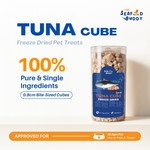
Adding a few drops of warm water to freeze-dried treats before serving is a simple way to sneak extra moisture into your cat's day. The treat rehydrates quickly and retains all its nutritional value — with the added bonus of a slightly softer texture that senior cats or those with dental issues often prefer.
4. Add Water or Broth to Food
A small amount of plain, unsalted chicken or fish broth added to your cat's meal can boost palatability and hydration simultaneously. Avoid broths with onion, garlic, or added salt.
The Bottom Line
Cats need more moisture than dry food alone provides. Wet food, water fountains, and moisture-boosting habits like rehydrating freeze-dried treats are all practical ways to support your cat's urinary and kidney health for the long term.
Explore our best-selling freeze-dried seafood treats — rehydrate them for a moisture boost, or serve them dry as a high-value snack. Either way, your cat wins.